
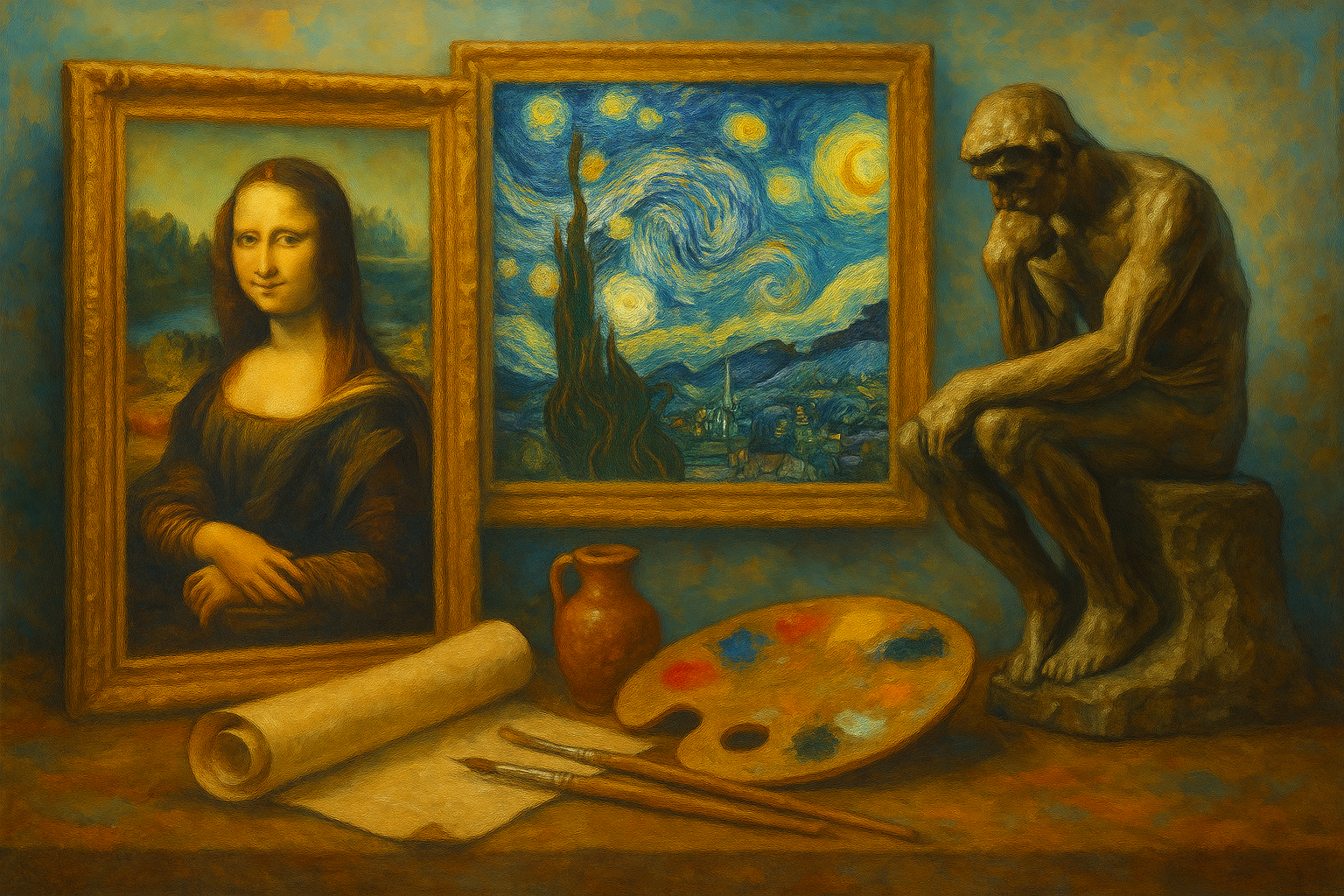
Art has long been the mirror reflecting human emotion, thought, and culture. But what makes art timeless? The qualities that render a work of art truly timeless often transcend the mundane and venture into the realm of the eternal. In this article, we will examine the characteristics of timeless art, uncovering the factors that contribute to its lasting significance.
The Importance of Timeless Art
Timeless art is not merely a phrase; it carries significance that resonates through generations. These works engage viewers, evoking profound thoughts and feelings. The importance of timeless art lies in its capacity to:
* Bridge historical gaps
* Encourage cross-cultural connections
* Foster emotional resonance
* Provide insights into the human experience
According to Government Research Database, artworks that resonate through time often encapsulate universal themes and emotions that remain relevant despite cultural and temporal differences.
Qualities of Timeless Art
Identifying the qualities of timeless art is crucial for both artists and art lovers. Here are some key characteristics:
* Universality: Timeless art often connects with themes shared across cultures, making it relevant beyond its time and place.
* Emotional Depth: It evokes strong emotional responses, allowing viewers to connect on a personal level.
* Innovative Techniques: Mastery of craft done in a distinctive, innovative way leaves a lasting impression.
* Aesthetic Value: Excellent compositions and visual allure contribute significantly to a work’s longevity.
* Cultural Significance: Works that say something important about the human condition resonate throughout time.
How to Recognize Timeless Art
Recognizing timelessness in art requires a discerning eye. Ask yourself:
* Does it provoke thought?
* Can it be interpreted in different ways over time?
* Does it reflect themes relevant to the human experience?
Examples of Timeless Art
Many iconic pieces exemplify what makes art timeless. Here are a few notable examples:
* Mona Lisa by Leonardo da Vinci: This painting’s enigmatic expression continues to intrigue generations.
* Starry Night by Vincent van Gogh: The emotional intensity and vibrant colors have captivated viewers for decades.
* The Thinker by Auguste Rodin: This sculpture embodies the essence of contemplation, reflecting human intellect.
These masterpieces remain significant in art history, illustrating how the definition of timeless art evolves yet remains rooted in core human values.
The Contributing Factors to Timelessness in Art
Several factors contribute to why art is timeless. Key elements include:
Cultural Context
Understanding the cultural context in which art emerges is crucial. Works often carry the weight of their time while addressing timeless human themes. The cultural significance of art plays a pivotal role in its reception and longevity.
Artistic Intent
Creating timeless art involves artistic intent. The goals and visions of an artist often dictate how their work resonates over time. Artists who grapple with existential themes create works that maintain relevance.
Evolving Interpretations
Art’s capacity for evolving interpretations plays a role in its timelessness. As society changes, new meanings emerge, allowing classic works to adapt to contemporary discourse.
Why Art is Timeless
There are many reasons illustrating why art is timeless:
* Connection to Humanity: Timeless art connects us to our shared experiences.
* Inspiring Reflection: Such works encourage introspection and discussion.
* A Historical Archive: They serve as visual records, shedding light on societal values and beliefs.
Conclusion
In conclusion, understanding what makes art timeless involves recognizing its ability to transcend time and cultural divides. By examining the qualities of timeless art and the factors contributing to its significance, we can appreciate the enduring power of art in our lives. Explore timeless artworks, engage with their stories, and allow yourself to experience the myriad emotions they evoke.
If you are passionate about art and its significance, start exploring your local galleries or museums. Engage with arts communities and discover works that resonate with you personally!
For more insights into art and creativity, visit the Academic Research Portal for scholarly articles and research.